Every day, you probably feel like you’re making rational, well‑thought‑out choices. You decide what to buy, what to prioritize at work, which emails to open, and which invoices to pay first. But beneath the surface of those apparently clear decisions, hidden patterns, shortcuts, and psychological triggers are constantly shaping your behavior in ways you rarely notice.
1. Your Brain Runs on Shortcuts, Not Careful Logic
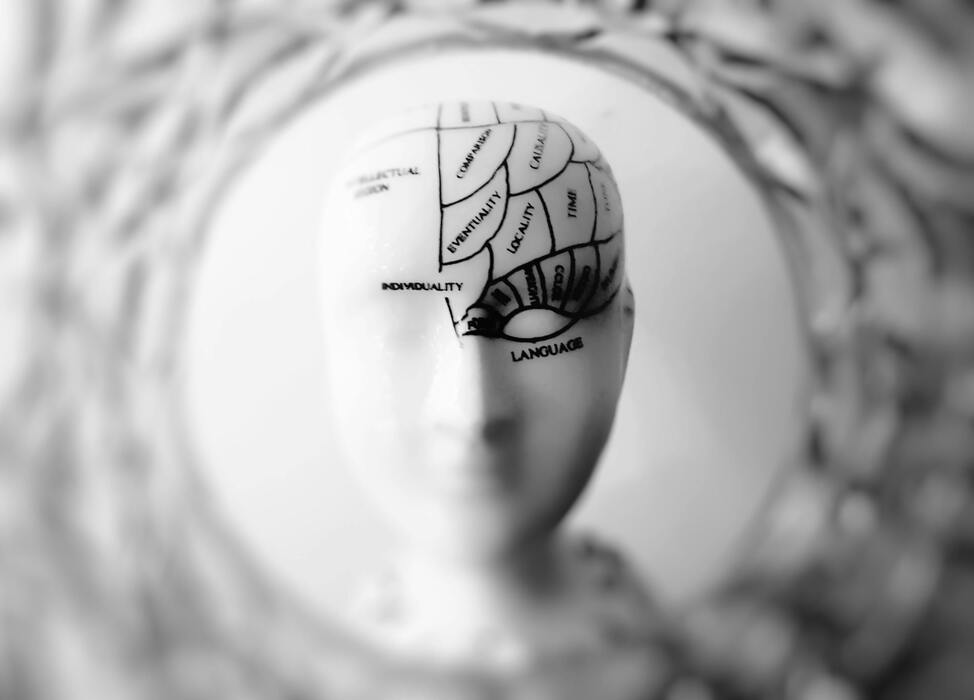
Humans like to believe they weigh all available information before acting, but your brain is optimized for speed, not perfection. To handle thousands of micro‑decisions a day, it relies on mental shortcuts known as heuristics. These shortcuts help you choose quickly, but they also mean you’re more easily influenced by the way options are framed, the first example that comes to mind, or the last thing you saw online.
This is why people can be nudged by small changes in presentation: a different headline, a rewritten email subject line, or even a more structured document format can dramatically change response rates. It’s not that someone is pressing a “control button” in your mind; rather, your brain is working efficiently and following patterns that feel natural, even when they’re predictable from the outside.
2. Environments Shape Choices More Than You Realize
You don’t make decisions in a vacuum. Screens, notifications, layouts, and workflows constantly influence how you think and act. A cluttered workspace can reduce focus. A confusing interface can push you to abandon a task. A well‑structured process can make it easier to follow through on responsibilities, payments, or long‑term plans.
Smart businesses use this awareness to simplify their customer journeys. For example, replacing messy, manual billing with a clear, automated document improves how quickly people respond and pay. A tool like the invoice pdf generator lets you create clean, professional invoices in seconds, removing friction from an otherwise tedious process. When the environment is simpler and more intuitive, people act faster—not because they’re being controlled, but because the path of least resistance becomes the obvious one.
3. Emotions Drive “Rational” Decisions
What feels like a purely logical decision is often an emotional one with a logical story wrapped around it. Fear, excitement, curiosity, and anxiety all shape what you notice, how urgent something feels, and what you choose to do first. This is why deadlines, warnings, and limited‑time offers can alter your priorities in a moment.
In work and business, emotional comfort also matters. Clean, consistent documents, clear language, and predictable processes reduce anxiety and mental load. When people know what to expect, they feel safer committing, paying, or signing. You’re not being forced—you’re responding to how the experience makes you feel.
4. Habits Quietly Automate Your Life
Much of what you do daily isn’t a conscious choice; it’s habit. From the way you start your mornings to how you handle recurring tasks like invoicing, reporting, or follow‑ups, routines slowly become automated behavior. Habits are powerful because they save cognitive energy—but they also mean you can stay stuck in inefficient patterns longer than you realize.
Once a workflow is baked into your routine, you’re likely to repeat it even if it’s costing you time. That might mean manually creating invoices in a word processor, copying and pasting data, and double‑checking numbers every month. Until something forces you to reevaluate, your brain simply “does what it always does.” Updating the habit—by adopting structured tools, automation, or templates—instantly changes your behavior because the default path itself has changed.
5. Social Proof Steers You More Than You Admit
People look to others to decide what’s normal, safe, or smart. Reviews, recommendations, star ratings, and case studies are all signals that help you shortcut decision‑making. When you see many others using a certain tool, following a specific process, or trusting a particular service, you’re far more likely to do the same, even if you believe you’re being purely objective.
This social influence isn’t direct control—it’s a guidance system built into human behavior. You’re wired to reduce risk by following what seems to work for others. That’s why showcasing social proof, testimonials, or clear usage examples can dramatically shift behavior in business and everyday life.
6. Friction and Effort Quietly Decide What Gets Done
One of the strongest but least visible forces on your behavior is friction—the amount of effort, time, or confusion a task requires. If something feels hard, you’ll delay it, even if it’s important. If it feels simple and quick, it gets done.
This is especially obvious in administrative work. A clunky process for preparing documents, requesting payments, or organizing financial records encourages procrastination. When processes are streamlined—using templates, automation, and clear formats—suddenly the same behavior (sending invoices, following up, organizing paperwork) happens more consistently, even though your underlying intentions haven’t changed.
7. Attention Is Limited—and Constantly Being Hijacked
Your attention is a finite resource, and everything from apps to emails is competing to grab it. The more fragmented your attention becomes, the more likely you are to rely on default choices. You skim instead of reading, click the first visible option, or postpone tasks that look complex at a glance.
This is why clarity and simplicity are such strong influencers of behavior. The clearer the information, the more likely it is to cut through the noise. Structured documents, concise messages, and predictable layouts don’t control you—but they do earn your attention in a crowded environment and make follow‑through easier.
Conclusion: Your Choices Are Free—but Far from Random
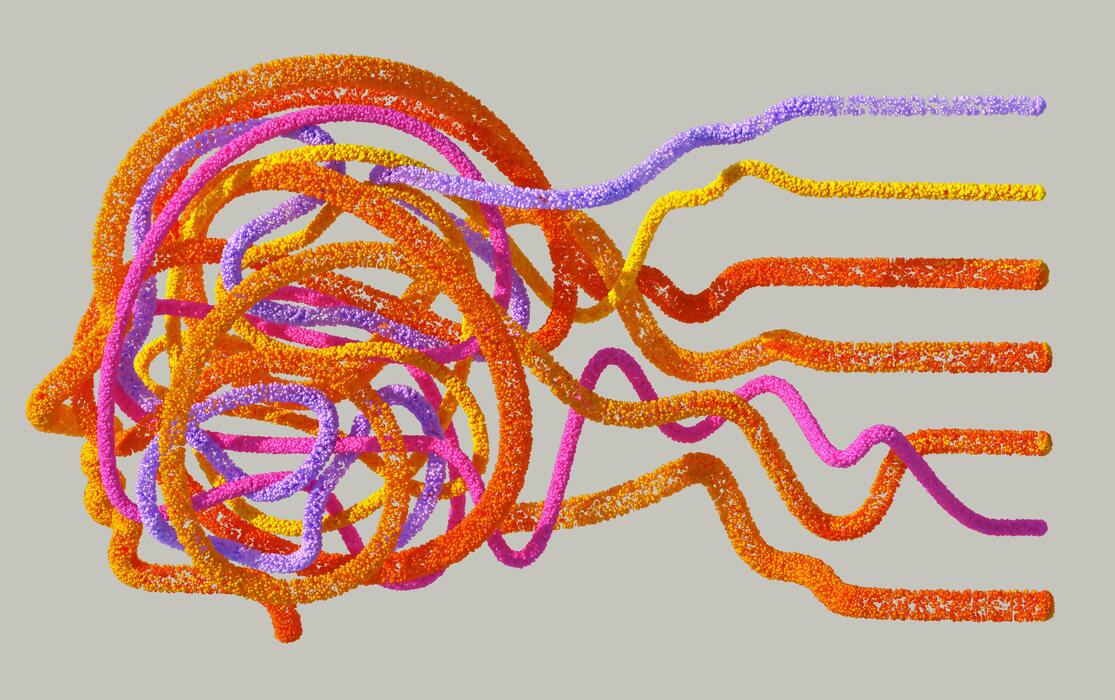
Your behavior isn’t governed by a single force, nor is it completely free from influence. Instead, it’s shaped by a web of factors: mental shortcuts, emotional states, habits, social proof, friction, and environment. This doesn’t mean you’re controlled; it means you’re human.
When you understand these forces, you gain leverage. You can redesign your environment, update your habits, and simplify your workflows so that important actions become the easiest ones to take. Whether you’re improving personal productivity or optimizing business processes like invoicing, the key is to build systems that work with human behavior, not against it. The more you respect how people actually think and act, the more effective—and sustainable—your decisions become.